
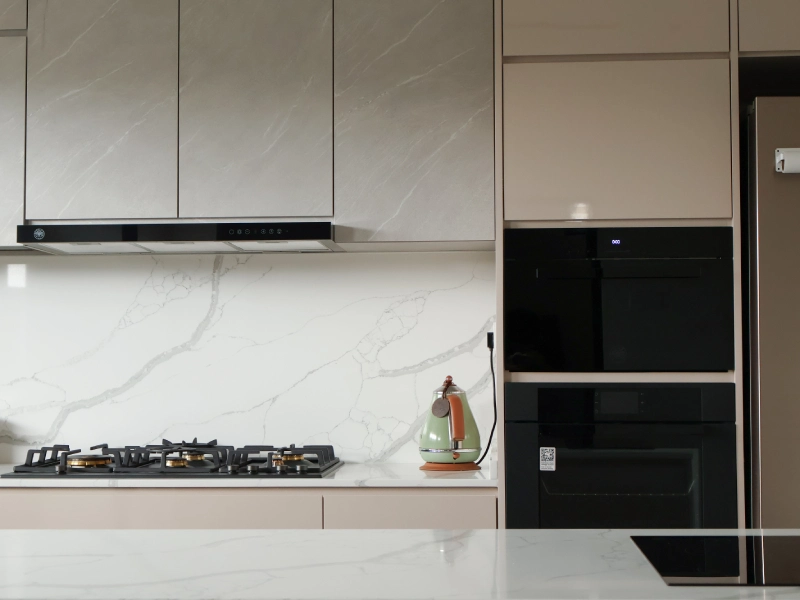
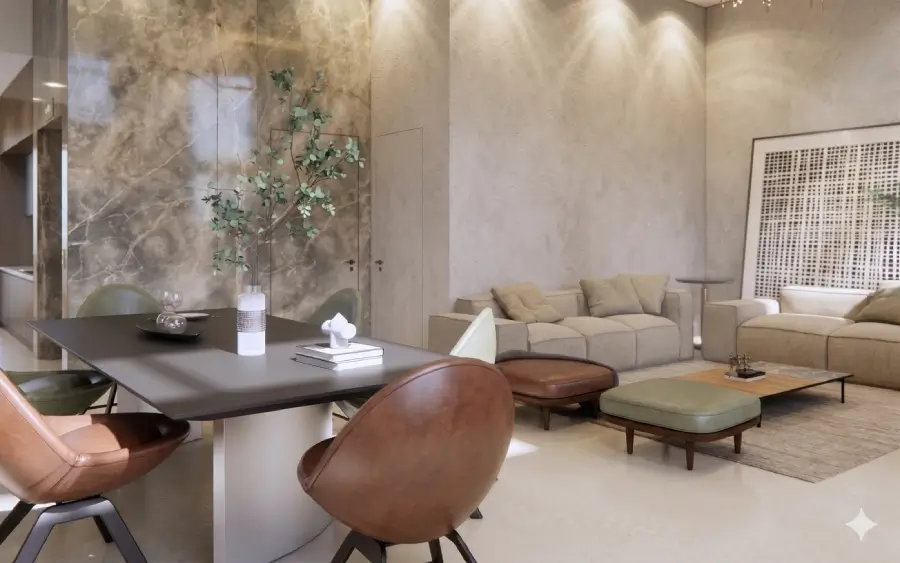
Most homeowners come to us with a clear picture of what they want their home to look like. The mood board is ready. They know they want an open-plan kitchen, a double-volume living room — perhaps a study that doubles as a guest room.
What’s less considered — and what matters far more — is how all of that actually fits together.
Space planning is not the visible part of a landed house renovation. It doesn’t photograph well. But in our experience working on landed homes across Singapore, it is the single most consequential decision in the entire process. Get it right, and everything else follows. Get it wrong, and no amount of considered marble or bespoke joinery will repair how the home feels to live in.
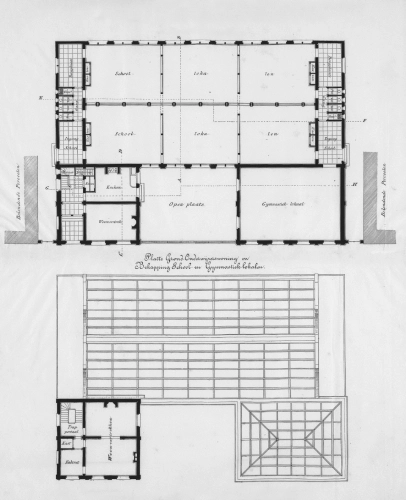
It’s Not About Maximising Square Footage. It’s About Earning Every Square Foot.
Singapore landed homes — whether a terrace, semi-detached, or Good Class Bungalow — come with a fixed envelope. URA governs your plot ratio, your setbacks, your permissible gross floor area. There is only so much you can build.
The question, then, is not how much space you have. It’s what you do with it.
We’ve seen 3,000 sq ft homes that feel tight and disconnected. We’ve seen 1,800 sq ft homes that breathe — where you move from the entrance court through to the living area and out toward the garden without a single moment of spatial confusion. The difference, almost always, comes down to how the landed house layout was conceived before construction began.
See how we approached layout planning in our completed projects

The Hidden Cost of Poor Layout Planning
Poor space planning is expensive — not just in the abstract sense of diminished comfort. It is financially costly.
Structural Changes Mid-Construction
When a layout isn’t properly resolved before work begins, revisions mid-stream can reveal structural beams where a partition wall was assumed. That means a structural engineer, revised drawings, resubmission to BCA, and lost time.
M&E Conflicts
Air-conditioning trunking, plumbing stacks, and electrical risers are all determined by your layout. A bathroom positioned without regard to existing wet-wall locations means expensive re-routing. A kitchen island placed without considering the hood extract path results in a compromised ceiling — or a workaround that never quite resolves itself.
Furniture That Doesn’t Fit
We’ve seen dining tables commissioned before room dimensions were finalised. Custom wardrobes built into a room where the door swing conflicts with the wardrobe door. These aren’t small inconveniences — they reshape how a family inhabits a space every single day.
Every renovation budget carries a contingency line. When landed house space planning is done properly — and early — that contingency remains intact.
Common Layout Mistakes We See — And How To Avoid Them
After working on landed homes across Singapore, certain planning oversights surface repeatedly. They are rarely dramatic. They are almost always preventable.
Designing Rooms In Isolation
A bedroom may be correctly sized, but if it creates a dead-end corridor with no natural light, the house loses coherence. Every room must be considered in relation to what surrounds it.
Treating The Staircase As An Afterthought
In a multi-storey landed home, the staircase consumes significant floor area and governs vertical flow. Positioning it late in the planning process often forces compromise in the spaces around it.
Underestimating The Ground Floor
In Singapore’s ageing demographic reality, a ground-floor bedroom and bathroom is not a luxury consideration — it is a practical one. Provisions for future accessibility are far simpler to build in than to retrofit.
Ignoring Solar Orientation
A south-facing living room without a shading strategy becomes uncomfortably warm. A bathroom with no ventilation provision becomes a persistent maintenance issue. Singapore’s climate is not a variable — it is a given that must shape the plan from the start.
Conflating Open-Plan With Spacious
Removing walls creates openness, but without considered zoning, it can also create noise bleed, loss of privacy, and a home that feels like one large, undifferentiated room.
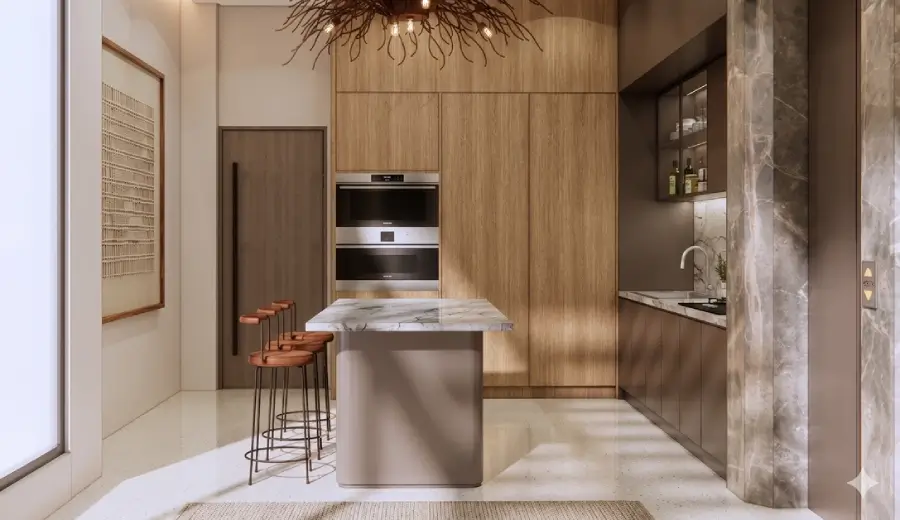
What Landed House Space Planning Actually Involves
It begins with a conversation about lifestyle, not dimensions.
Circulation & Flow
How does your family move through the morning? Do you work from home — and does that require acoustic separation from the rest of the house? Do you host, and in what way?
The answers determine where walls go, where light needs to enter, and where the plan opens up versus holds definition.
Primary paths — the routes you take ten times a day — should be clear and unobstructed. You should never have to walk through one bedroom to reach another.
Light & Ventilation
Singapore’s climate makes solar orientation non-negotiable. We plan for where morning light enters, where cross-ventilation is achievable, and where a south-facing facade requires shading to remain liveable.
Vertical Planning
In a multi-storey home, how the floors relate to each other matters as much as each level. Where the staircase sits — and what a double-volume void does to the spaces around it — must be resolved at the planning stage.
Future-Proofing
Wider corridors, a ground-floor bedroom, lift provisions — these are far easier to incorporate into the original plan than to retrofit during a second renovation.
Learn more about our design and build process
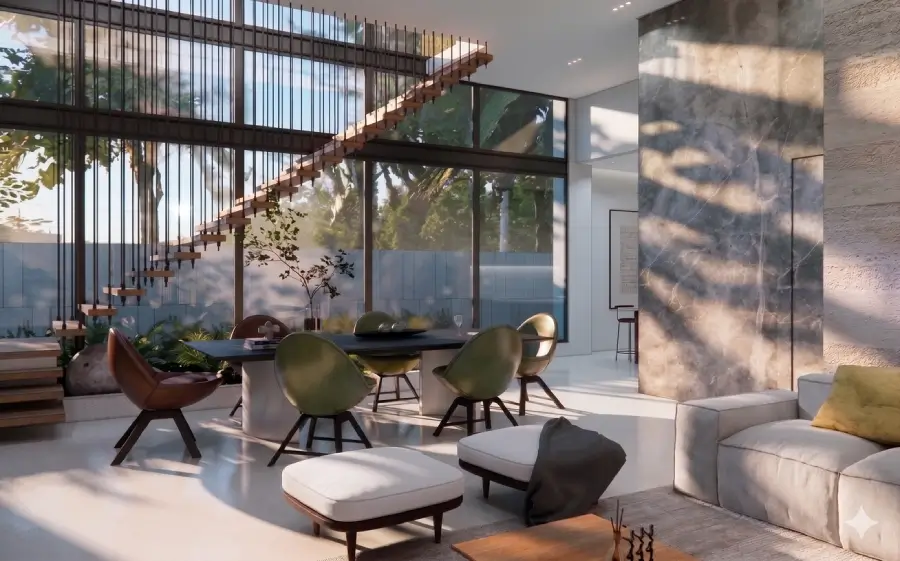
When The People Who Design Are The People Who Build
In a conventional landed house renovation in Singapore, design and build operate as separate worlds. Drawings pass between parties. Interpretations diverge. Conflicts get resolved on-site, under pressure, without the people who made the original decisions in the room.
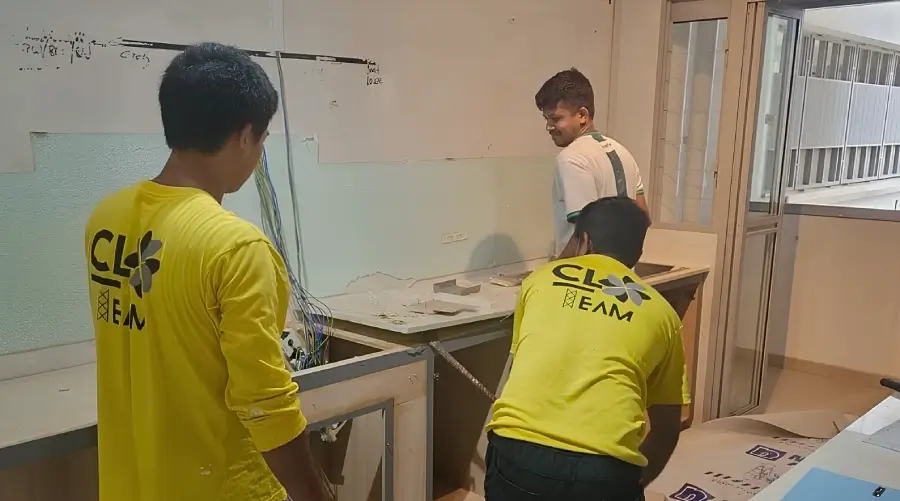
At CLO Haus, that gap doesn’t exist. Our architects, engineers, designers, and craftsmen work as one integrated team — so when a decision is made, those responsible for executing it are already part of the conversation. What gets built is what was designed. That precision is rarer than it should be.
“The clients who invest the most time in planning spend the least time in firefighting.”
A layout that reads well on paper but hasn’t been considered room by room — routine by routine — will surface surprises during construction. The homes that endure are not the ones with the most considered material palette. They are the ones where the light at 7am on an ordinary Tuesday is just as considered as it is on a weekend evening.
Finishes age. A well-considered plan doesn’t.
FAQ
What Is The Difference Between Space Planning And Interior Design?
Space planning addresses the fundamental architecture of a home — where walls sit, how rooms connect, how light moves through the building, and how the layout supports daily life.
Interior design works within that framework. Both matter, but sequence matters more: interior decisions made before the plan is resolved often have to be undone.
Do I Need An Architect For A Landed House Renovation In Singapore?
For structural works, additions, or any changes that affect your home’s gross floor area, BCA requires a qualified person — typically a registered architect or professional engineer — to submit and stamp drawings.
At CLO Haus, our architects are part of the integrated team from the first conversation, not engaged only when regulatory compliance requires it.
How Do URA Guidelines Affect Landed House Layout Planning?
URA sets the parameters that define what can be built: plot ratio, building height, setbacks from boundaries, and gross floor area allowances.
These are not constraints to work around — they are the starting conditions of good planning. Understanding them precisely is what allows us to make the most of every square foot within the approved envelope.
Can I See Examples Of CLO Haus Landed Home Projects?
Yes — our project portfolio shows completed landed home renovations across Singapore, with notes on planning approach, layout decisions, and the outcomes for each family.
Before Anything Else
Before finishes, before mood boards — we start with your home’s structure and your family’s rhythms. The plan emerges from that. Everything else follows from the plan.
If you’re not certain where to begin, that is exactly where we come in.
Get in touch – +65 8778 4883